
Australian Cell Pathways
A practical pathway toward trusted Australian cell capability, combining assured access, pilot-scale development, secure supply chains, and application-led demand.


Why trusted cell pathways matter
Cell capability is part of a broader energy-security equation. It is not enough to focus only on chemistry or manufacturing scale. Assurance also depends on cell provenance, supply-chain resilience, testing, validation, software control, integration quality, traceability, and long-term sustainment.
For governments, defence organisations, infrastructure operators, and strategic partners, trusted cell pathways provide a practical route toward greater resilience and deeper participation in the battery value chain, where commercially and strategically justified.
Trusted supply chains matter
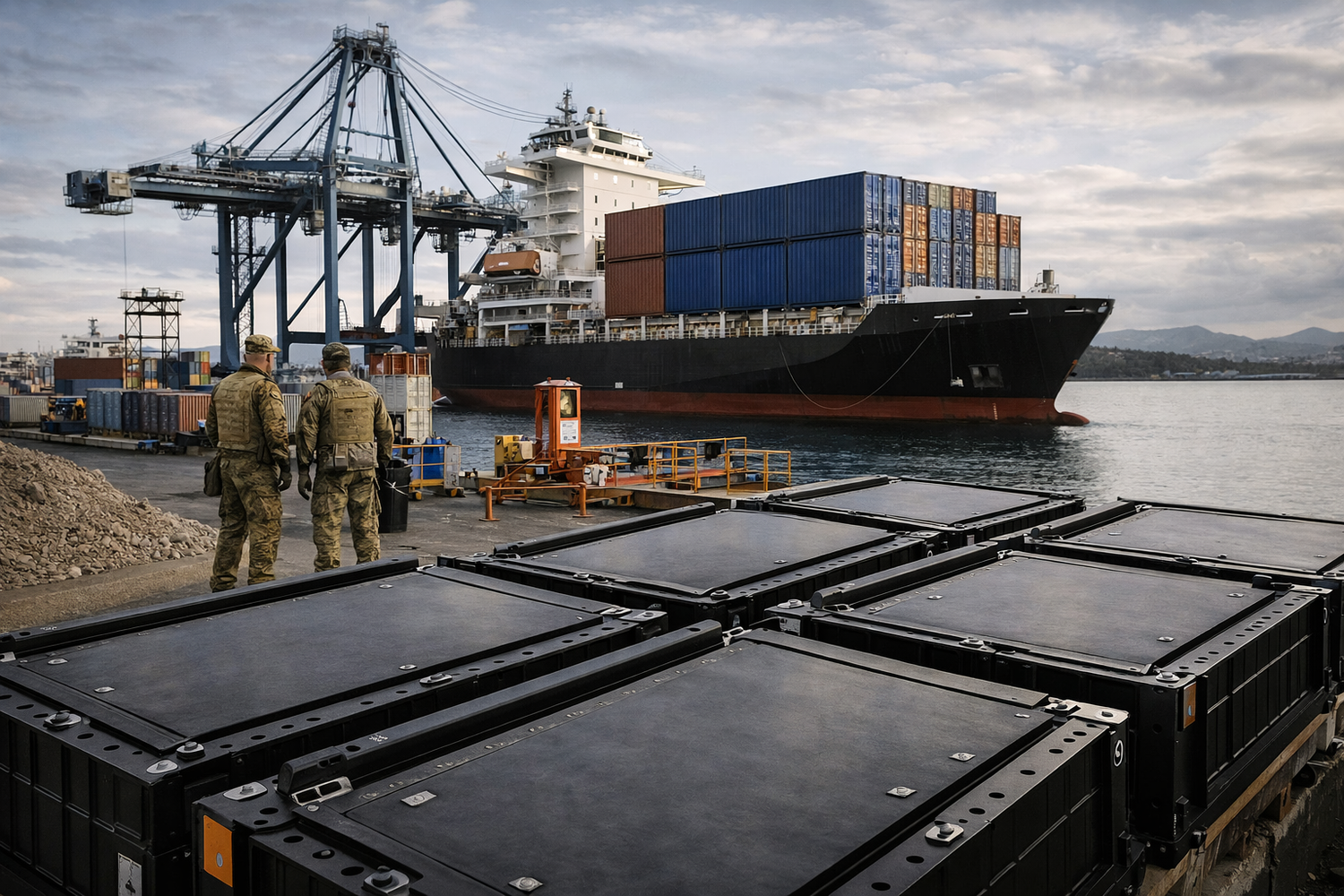
The battery sector is shaped by complex international supply chains, concentrated manufacturing capacity, and varying levels of transparency across chemistry, cell production, firmware, software, data, and long-term support. For strategic users, that creates a need for trusted supply pathways rather than simple product procurement.
For many applications, the right starting point is not full local cell manufacturing on day one. It is a staged model that combines trusted imported inputs, assured local assembly, integration, testing, software control, and product deployment, while deeper domestic capability is developed over time.
That approach is faster to establish, lower in capital intensity, and more closely tied to real programs, real products, and real national need.
A staged pathway, not a slogan
Cell capability should be built through practical stages. The first requirement is trusted access to suitable cells. The next is the ability to assemble, integrate, validate, certify, deploy, and support battery systems locally. From there, deeper participation in cell development, pilot production, and specialised chemistry pathways can be pursued where demand, capital, and strategic need are aligned.
EDEA’s approach is to connect each stage to real applications, including defence battery systems, critical infrastructure resilience, humanitarian energy systems, and remote power deployments.
Prototype and pilot manufacturing capability
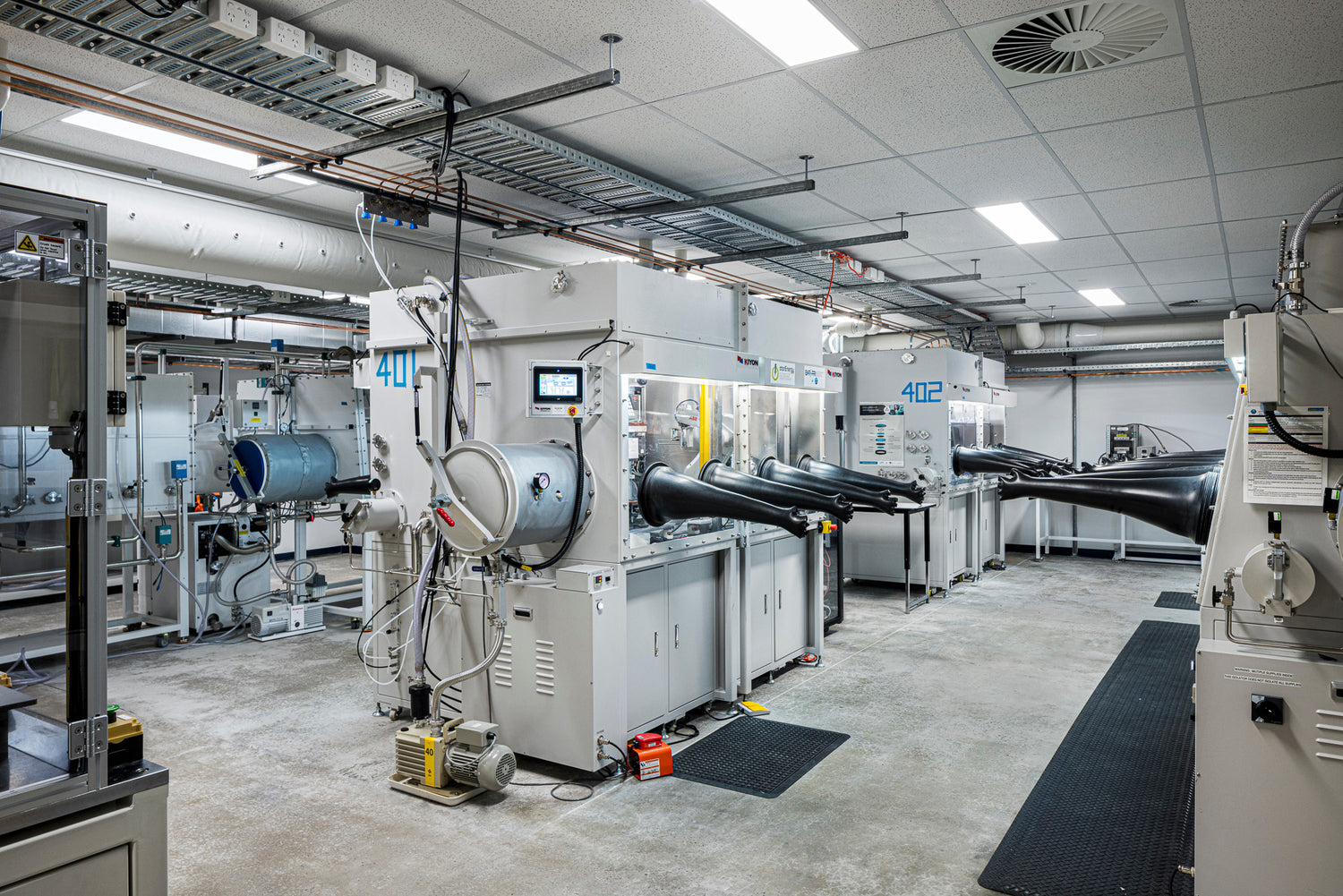
Australia already has the institutions, technical environments, and industrial capability needed to support prototype and pilot-scale battery development. This matters because it allows chemistries, formats, production methods, and quality processes to be tested before larger capital commitments are made.
The objective is not to replicate every part of the global battery value chain immediately. It is to build knowledge, validate process steps, reduce risk, and make better decisions about where local capability should deepen over time.
Testing, validation, and cell intelligence
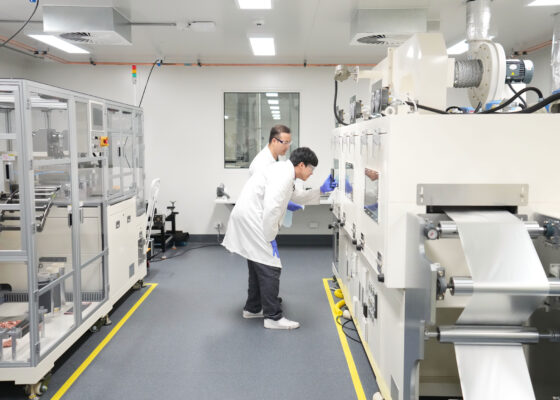
Cell capability is about more than making cells. It also depends on the surrounding system, including battery management, enclosure design, thermal control, communications, software, safety architecture, quality assurance, traceability, and lifecycle support.
For defence and critical infrastructure in particular, testing and validation are essential. Trusted systems are built not only through where components come from, but through how they are integrated, verified, supported, and controlled over time.
That is why trusted cell pathways and assured assembly should be understood as connected parts of a broader capability pathway, not as separate conversations.


Australia as the capability foundation
Australia has the technical depth, resource base, research capability, industrial skill, and strategic need to play a more meaningful role in advanced battery systems. The opportunity is not limited to raw materials or large-scale cell manufacturing. It also includes design, integration, testing, quality assurance, software control, deployment, and sustainment.
EDEA’s role in that pathway is to connect cell ambition with practical deployment models, assured assembly, and real product pathways, so that Australian capability is tied to actual systems, actual customers, and actual national need
