
Australian Sovereign Cells
A practical pathway toward trusted domestic cell capability, aligned to sovereign assembly, secure supply chains, and long-term national resilience.


Why sovereign cells matter
Sovereign energy capability does not begin and end with cell manufacturing. It also depends on assembly, integration, testing, certification, software control, and long-term sustainment. Even so, domestic cell capability remains strategically important where it can strengthen resilience, reduce exposure to fragile supply chains, and support trusted national control over critical energy systems.
For governments, defence organisations, infrastructure operators, and strategic partners, sovereign cells are part of a broader energy-security equation. They can support long-term industrial capability, strengthen supply-chain confidence, and provide a pathway toward deeper participation in the battery value chain where commercially and strategically justified.
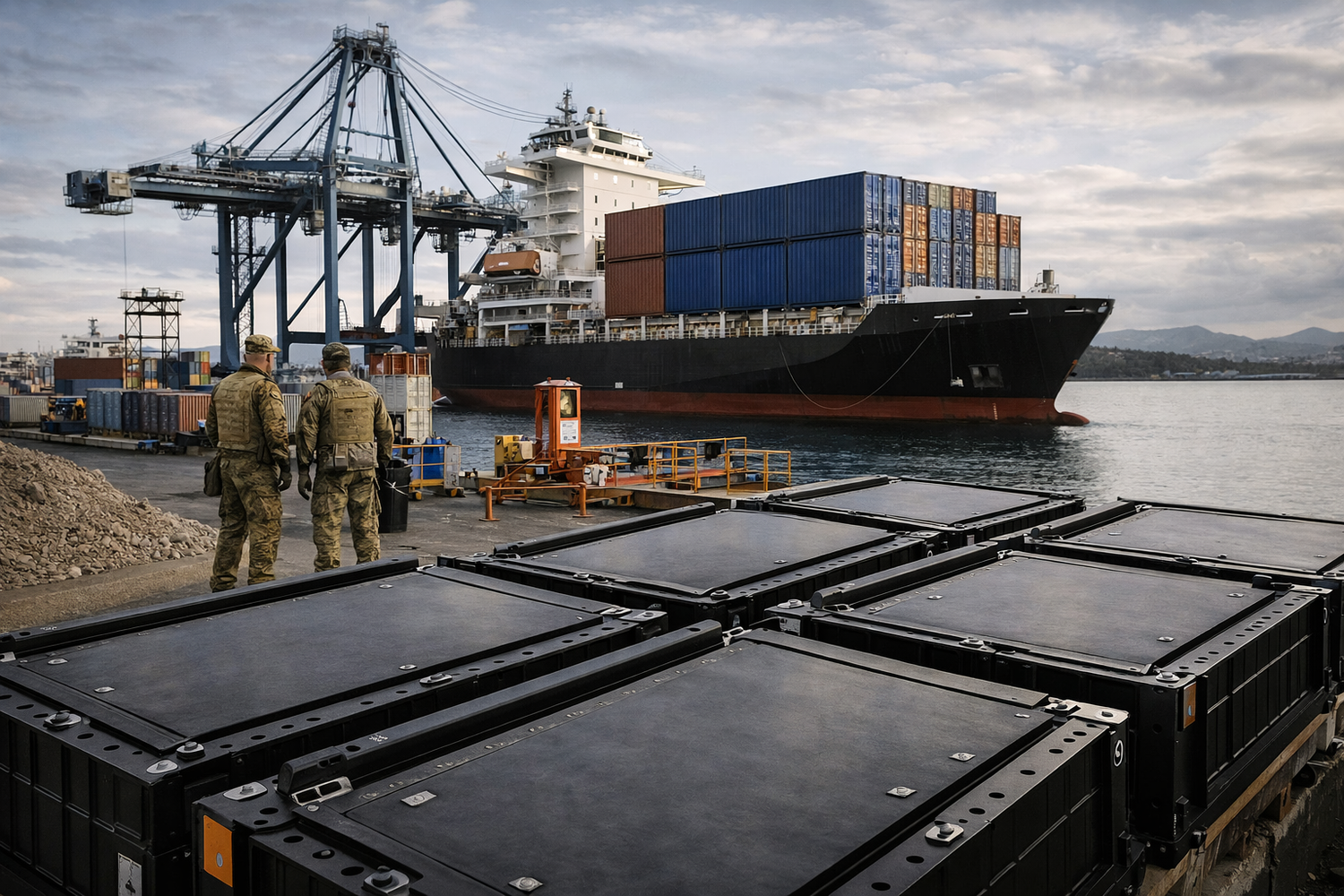
Trusted supply chains and sovereign control
Battery supply chains are now shaped by geopolitics as much as by cost and performance. Concentrated processing, strategic dependencies, and foreign-controlled manufacturing ecosystems create risks for nations and operators seeking trusted, supportable, and resilient energy capability.
EDEA’s approach is built around reducing that exposure through trusted partnerships, sovereign assembly pathways, and the development of domestic capability where it adds real strategic value. Australian sovereign cells sit within that broader model, not as a standalone aspiration, but as part of a practical pathway toward safer, more secure, and more supportable energy systems.
A staged pathway, not a slogan
Building sovereign cell capability requires more than rhetoric. It depends on process discipline, partner alignment, pilot-scale capability, testing, validation, and a realistic pathway from prototype work to industrial relevance.
EDEA’s approach is staged. It begins with sovereign assembly, local integration, and trusted imported inputs where appropriate. Over time, it can expand toward deeper domestic participation in cell processing, manufacturing, and battery materials capability as strategic and commercial conditions allow.
This staged model allows capability to develop on practical foundations while avoiding the false choice between importing everything and attempting full domestic cell manufacturing from day one.
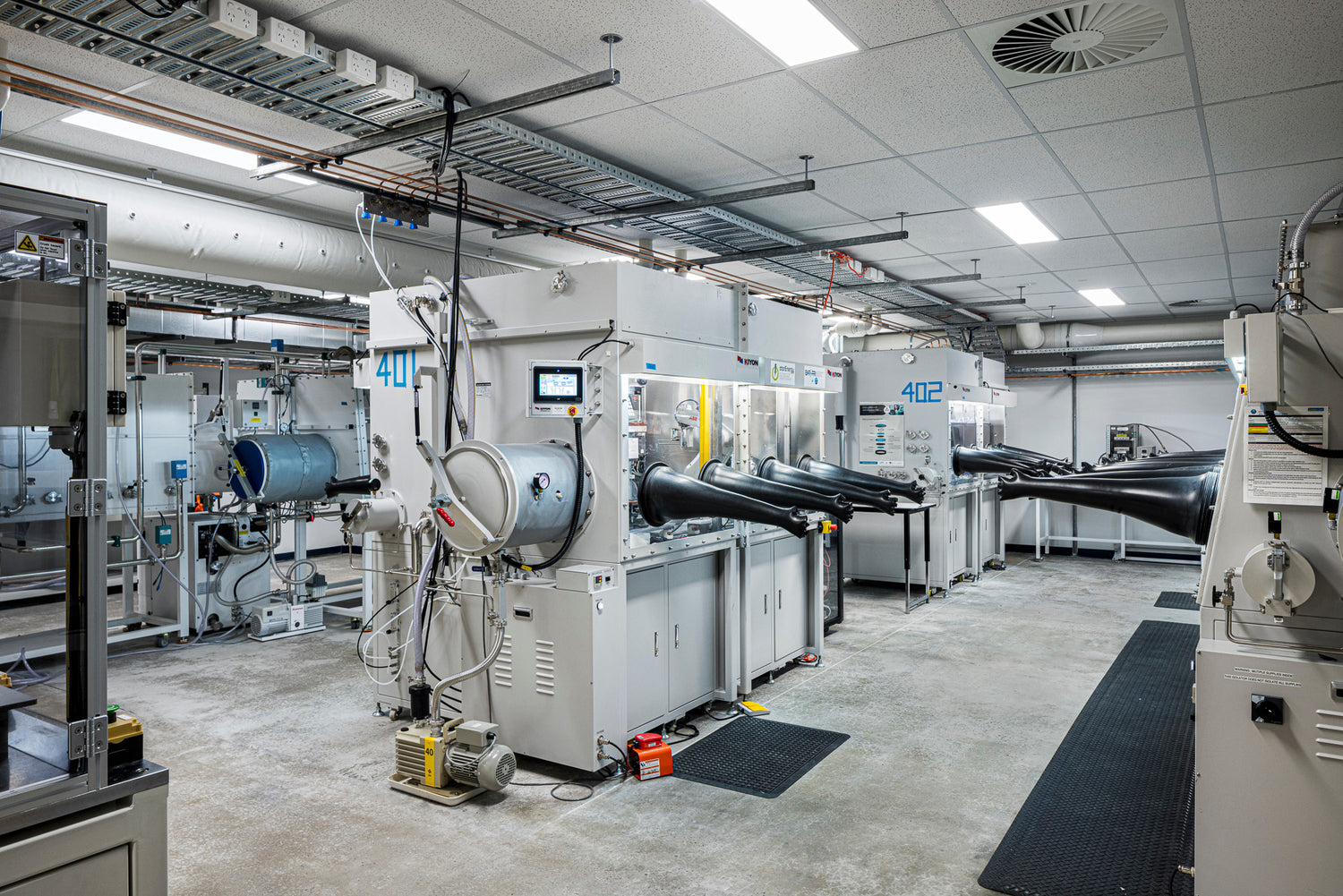
Prototype and pilot manufacturing capability
Australian sovereign cells require a credible bridge between research, pilot manufacturing, and industrial deployment. That means access to controlled production environments, process development, materials expertise, and the ability to translate laboratory knowledge into repeatable cell outcomes.
EDEA’s sovereign cells pathway is designed to sit within that bridge. The objective is not simply to speak about domestic capability, but to support a pathway through which cell development can be tested, refined, validated, and aligned to real application requirements, including defence, critical infrastructure, and broader sovereign energy systems.
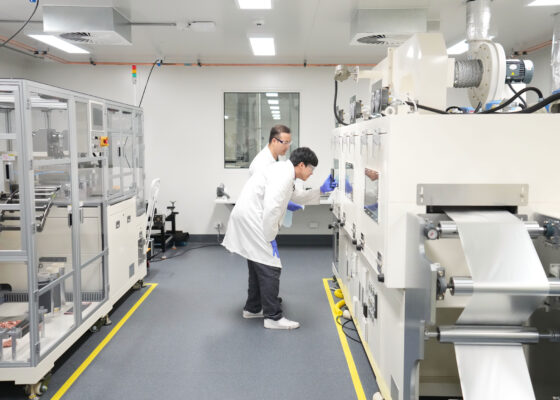
Testing, validation, and cell intelligence
Domestic cell capability only has value if it can be trusted. That requires rigorous testing, characterisation, abuse analysis, and performance validation across operating conditions relevant to the target application.
A sovereign cells pathway therefore depends not only on manufacturing steps, but on the ability to understand behaviour, identify failure modes, improve chemistry and architecture, and build confidence through structured testing and evidence. This is essential if cells are to support demanding applications where safety, lifecycle performance, and long-term supportability matter.
From sovereign cells to sovereign systems
Australian sovereign cells are not an isolated concept. They are part of a broader sovereign energy pathway that includes trusted assembly, cyber-secure battery intelligence, local integration, and product platforms designed for defence, critical infrastructure, and humanitarian deployment.
In that context, cell capability strengthens the broader system. It supports greater control over performance, supply assurance, and long-term strategic resilience, while reinforcing the domestic foundations of sovereign battery systems such as the super6T family and other future energy platforms.


Australia is the anchor
Australia is building deeper capability across the battery value chain, combining trusted supply relationships, technical expertise, pilot-scale capability, and application-led demand. Sovereign cells pathways are approached with realism, discipline, and long-term intent, focused on where domestic capability adds meaningful strategic and economic value.
EDEA’s role in those pathways is to connect cell ambition with practical deployment models, sovereign assembly, and real product pathways, so that domestic capability is tied to actual systems, actual customers, and actual national need.
Trusted supply. Practical capability. Long-term resilience.
Australian sovereign cells are part of a wider national capability story. By combining trusted supply chains, sovereign assembly, pilot manufacturing pathways, and real product integration, EDEA is helping shape a more resilient and strategically aligned energy future.
